THE IMPORTANCE OF CALIBRATION IN PRECISION MEASUREMENT
In the era of modern technology, precision in measurement is very important, especially in various industries such as manufacturing, healthcare, and scientific research. To achieve a high level of precision, calibration of measuring instruments is an inevitable requirement. Why is calibration so important in precision measurement? Let's take a closer look.
What is Calibration?
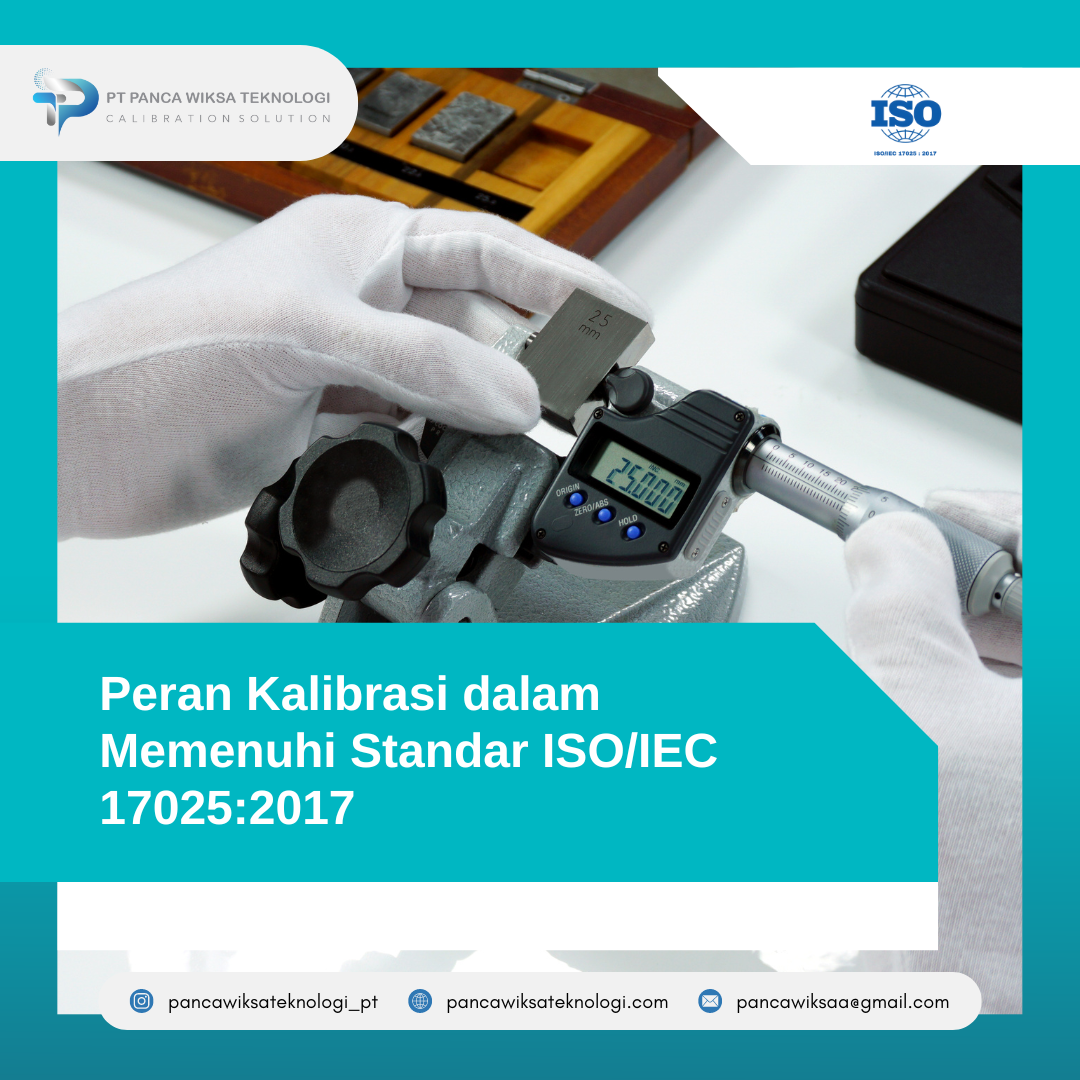
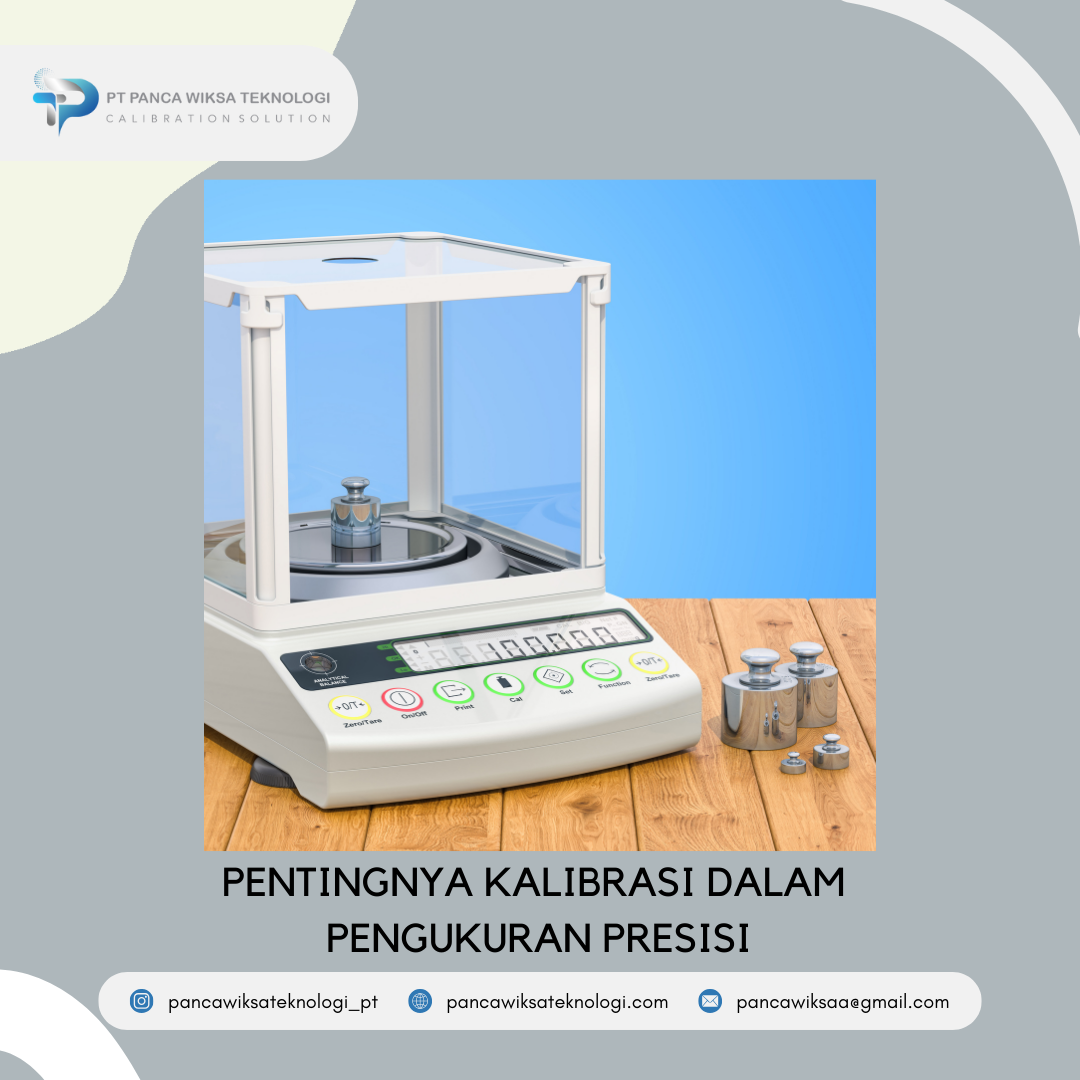
Calibration is the process of verifying and adjusting measuring instruments to ensure that the measurement results provided are accurate and consistent with established standards. This process involves comparing the measuring instrument to a reference standard of known accuracy, then making adjustments if necessary.
Benefits of Calibration in Precision Measurement
1. Measurement Accuracy
Calibration ensures that measuring instruments give accurate results. High accuracy is essential, especially in industries that require tight tolerances, such as the manufacture of aircraft engine components or medical devices.
1. Measurement Accuracy
Calibration ensures that measuring instruments give accurate results. High accuracy is essential, especially in industries that require tight tolerances, such as the manufacture of aircraft engine components or medical devices.
2. Consistency and Reproducibility
With regular calibration, the measurement results of a tool will be consistent over time. This is crucial for maintaining product quality and ensuring that production always meets set specifications.
3. Increased Efficiency and Cost Reduction
Uncalibrated measuring instruments can produce incorrect data, which can then lead to defective products, longer production times, or even product failure in the field. With proper calibration, companies can avoid the additional costs that come with measurement errors.
4. Compliance with Standards and Regulations
Many industries are governed by strict standards and regulations regarding measurement. Calibration helps companies ensure that they comply with applicable regulations, thus avoiding potential fines or product recalls from the market.
5. Improving Company Reputation
Companies that consistently calibrate their measuring instruments demonstrate a commitment to quality and precision. This not only increases customer confidence but can also open up new business opportunities.
Challenges in Calibration
Despite its importance, calibration is not without its challenges. Some of these include the cost and time required for calibration, as well as the need for well-trained personnel. However, the benefits far outweigh the challenges.
Conclusion
In a world that increasingly prioritises precision, calibration of measuring instruments is an invaluable investment. By ensuring that measuring instruments are always in optimal condition, companies can improve accuracy, consistency, and production efficiency. In addition, calibration also helps companies comply with standards and regulations, which in turn improves reputation and customer trust. Therefore, never underestimate the importance of calibration in precision measurement.